
How Difficult Is Gorilla Trekking in Uganda?
How Difficult Is Gorilla Trekking in Uganda: This guide covers the terrain, explains the differences between Uganda’s four trekking sectors, addresses what factors affect trek length and difficulty on any given day, and gives practical advice on how to prepare so that the physical demands of the trek do not become the main thing you remember about it.
What the Terrain in Bwindi Impenetrable Forest Is Actually Like
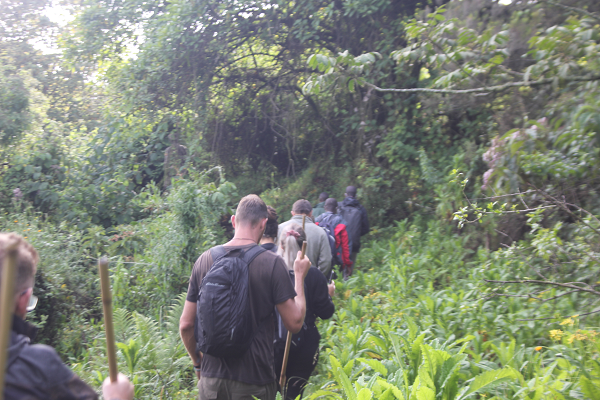
The name Bwindi Impenetrable National Park tells you something true. Bwindi in the local language relates to darkness, and if you have walked inside the forest you understand the name. The canopy is dense enough in places to significantly reduce the light reaching the understory. The vegetation is layered, thick, and in places tangled enough that the trackers use machetes to clear a path before the trekking group follows. You are not walking on a maintained hiking trail. You are following a route through working forest that the gorillas themselves have been through recently, which means the path reflects the gorilla’s preference rather than the walker’s convenience.
The altitude in Bwindi ranges from around 1,160 meters at the lower sections to over 2,600 meters in the higher terrain. Most gorilla trekking takes place between 2,000 and 2,600 meters, which is high enough that some visitors, particularly those coming from sea level, feel the thinner air in their breathing and in their legs. The forest is almost always humid and often wet. Rain can fall at any time, including on days that looked clear at the briefing point, and the soil becomes slippery very quickly. Even in the dry season, some sections of the trail involve mud, and in the wet season those sections multiply significantly.

The Four Bwindi Sectors and How Difficulty Varies Between Them
Bwindi Impenetrable National Park is divided into four gorilla trekking sectors: Buhoma in the north, Ruhija in the east, Rushaga in the south, and Nkuringo in the southwest. Each sector has its own collection of habituated gorilla families, its own lodge infrastructure, and its own terrain character. The sector your gorilla permit is assigned to determines which of these you experience, and the sectors are not interchangeable or close to each other. A permit in Buhoma cannot be used in Rushaga.
Buhoma: The Most Accessible Sector
Buhoma is the oldest gorilla trekking sector in Bwindi and the one most visitors default to if they have not been specifically advised otherwise. It has the widest range of accommodation close to the briefing point and the most established trail network. The terrain around Buhoma is challenging in the way all of Bwindi is challenging, but the gorilla families here tend to range at elevations and distances from the briefing point that produce some of the shorter treks available in the park. Many Buhoma treks take between two and four hours. The terrain is steep and wet like the rest of Bwindi, but the combined effect of closer gorilla families and a more developed trail network makes Buhoma the sector most commonly recommended for visitors with limited fitness or less hiking experience.
Rushaga: Most Families, Highest Permit Availability
Rushaga in the south has more habituated gorilla families than any other sector, which gives it the best permit availability and a wider range of gorilla families at different elevations and distances from the trailhead. Some Rushaga treks are relatively short; others are long and demanding depending on which family has been assigned and where that family has moved. Rushaga is also the only sector in Uganda where the Gorilla Habituation Experience is offered, the four-hour visit to a semi-habituated family at USD 1,500 per person. That full-day program is significantly more physically demanding than a standard trek because of both the duration and the terrain coverage involved.
Ruhija: High Altitude and Dense Forest
Ruhija is the quietest sector, sitting at high altitude in the eastern part of the park. The forest here is dense and the mornings are cold, often dropping to around 10 to 12 degrees Celsius at the briefing point before the sun reaches the ridge. The gorilla families in Ruhija can range at considerable elevation, and some Ruhija treks are among the longer and more demanding available in Bwindi. The sector receives the fewest visitors of any area in the park, which gives the trek a more solitary and remote atmosphere. Visitors with good fitness who want a quieter, more challenging experience than Buhoma tend to find Ruhija rewarding.
Nkuringo: The Most Physically Demanding Sector
Nkuringo in the southwest sits at the highest elevation of any Bwindi trekking sector and is consistently described by guides and returning visitors as the most physically demanding. The briefing point sits at around 2,100 meters and the trail to the gorilla families involves significant descents into steep valleys and climbs back out, which means that the return section of many Nkuringo treks involves your legs carrying you uphill when they are already tired from the morning’s walk. The views from the Nkuringo ridge are exceptional, looking south toward the Virunga volcanoes in the DRC, which partially explains why Clouds Mountain Gorilla Lodge chose this location. The gorilla encounter at the end of a Nkuringo trek feels genuinely earned. If you have a specific fitness concern, Nkuringo is the sector to think carefully about before requesting it.
How Long Does Gorilla Trekking Take?
The duration of a gorilla trek in Uganda is the most unpredictable element of the experience, and it is the one that causes the most pre-trip anxiety. You will be told at the briefing that treks can take anywhere from one hour to seven or eight hours. Both ends of that range actually happen. What determines the duration is where the gorilla family you have been assigned has moved to since the previous evening, which the trackers go out to establish before dawn.
Gorillas are not contained in an enclosure. They move freely through the forest following food sources, social dynamics, and the logic of their own daily routines, none of which bears any relation to the convenience of your trekking schedule. A family that spent the previous afternoon near the edge of the park might be accessible within ninety minutes the following morning. The same family might have moved deep into the forest overnight and require five hours of walking to reach.
The trackers radio back to the briefing team with the family’s location before the trekking groups enter the forest. This information gives your guide a sense of how long the walk is likely to take, but even that is an estimate based on where the gorillas were found that morning, and gorillas move during the day as well. A group that found the gorillas quickly one morning may have a very different experience the next day with the same family.
The average Bwindi gorilla trek takes between two and four hours each way, with the hour spent with the gorillas adding another hour to the total time in the field. A four-hour round trip with the gorilla hour means you are in the forest for approximately five hours. A six-hour round trip means seven hours total. Most people find the first two hours the hardest and then find a rhythm. Most also find that once the gorillas are in sight, the fatigue disappears and the hour passes far too quickly.
What Level of Fitness Do You Actually Need?
The most accurate description of the fitness level required for gorilla trekking in Uganda is: you should be able to walk on uneven ground uphill for two to four hours without stopping, in humid conditions, at altitude, without a well-maintained trail underfoot. That is not the same as running a half marathon or climbing a mountain. It is closer to a sustained hilly walk in difficult conditions.
If you can walk comfortably for two hours on city streets without needing to stop, you can probably complete a gorilla trek with some difficulty and some slow sections. If you regularly hike on uneven terrain and are comfortable with sustained uphill, you will find most Bwindi treks manageable, though challenging. If you have not done any significant walking exercise in the months before the trip and have concerns about cardiovascular fitness, the trek will be hard, and you should start preparing four to six weeks before you leave.
The guides and rangers at Bwindi are experienced at pacing the group to the slowest member. They have done this many times with many different types of visitors and they will not leave you behind. They do not push the pace and they allow regular water breaks. The physically fitter members of a group sometimes find the pace frustrating, but the overall pacing philosophy at Bwindi is that everyone who starts a trek should be able to finish it. That said, the ranger cannot make the terrain flat or the altitude lower, and the conditions of the day affect everyone regardless of their fitness baseline.
Children under the age of fifteen are not permitted on gorilla treks. This restriction is about both physical capability and the welfare of the gorillas, who are sensitive to diseases that humans carry and for whom large groups of children would be particularly disruptive. Visitors of any age above fifteen who are in reasonable health have completed gorilla treks successfully, including visitors in their seventies and eighties who used the porter service described below.
How to Prepare for Gorilla Trekking in Uganda
Physical preparation in the weeks before your gorilla trek makes a real difference to the experience on the day. You do not need to be in the best shape of your life, but arriving at the Bwindi briefing point with some recent walking or hiking experience in your legs is considerably better than arriving after months of desk work and city commuting.
Cardio Exercise
Any sustained cardiovascular exercise helps: walking, cycling, swimming, stair climbing, or gym work on a rower or treadmill. The specific demand of gorilla trekking is prolonged moderate-intensity effort over several hours, so training that builds your capacity for extended activity rather than short bursts is more relevant. Three to four exercise sessions per week for four to six weeks before the trek, each lasting at least thirty to forty-five minutes, will produce a noticeable improvement in your stamina on the day.
Hill Walking
If you have access to hills or stairs, use them. The specific demand that Bwindi places on your legs is sustained uphill on uneven ground, and no flat walk or machine-based cardio exactly replicates that. A weekly hill walk of two to three hours in the six weeks before the trip, wearing the same boots you plan to wear in Uganda, covers the specific muscle demands of the trek better than almost any other preparation. The boots matter: new boots worn for the first time on the day of a gorilla trek are a problem. Waterproof hiking boots with ankle support should be broken in through several walks before you get on the plane.
Is Gorilla Trekking in Rwanda Easier Than Uganda?
This comparison comes up regularly, and it is worth addressing directly. Rwanda’s Volcanoes National Park generally produces shorter and less physically demanding gorilla treks than Uganda’s Bwindi Impenetrable Forest. The vegetation in the Virungas at lower elevations is bamboo forest, which is more open and easier to move through than Bwindi’s dense rainforest understorey. The trails to some gorilla families in Rwanda are also shorter, with some treks taking as little as one to two hours. Rwanda’s more accessible gorilla permits at USD 1,500 come with this easier average terrain.
That said, both countries have a range of trek difficulties depending on which gorilla family is assigned and where that family has ranged. The hardest Rwanda treks, where the gorilla family has ranged to higher elevations on the Virunga slopes, can be as demanding as many Uganda treks. And some Uganda treks, particularly in the Buhoma sector when the family is close, are shorter and easier than some Rwanda treks. The difference is one of averages rather than absolutes.
For visitors whose primary concern is the physical difficulty of the trek, Rwanda offers a somewhat more predictable and on average less demanding option. For visitors who can manage the terrain and who want the more affordable permit at USD 800, the deeper forest immersion of Bwindi, and access to the Gorilla Habituation Experience, Uganda is worth the additional physical effort.
What About Gorilla Trekking at Mgahinga?
Mgahinga Gorilla National Park in Uganda’s far southwest sits on the slopes of the Virunga volcanoes and offers a different trekking environment from Bwindi. The forest at lower elevations in Mgahinga is bamboo rather than the dense tropical rainforest of Bwindi, which can make the initial sections of the trail easier to navigate. The terrain becomes more demanding as you climb the volcanic slopes, particularly if the single habituated gorilla family at Mgahinga, the Nyakagezi group, has ranged to higher elevations.
The Nyakagezi group moves between Uganda, Rwanda, and the DRC and is therefore not always in Uganda. On days when the family is in Rwanda or the DRC, gorilla trekking at Mgahinga is unavailable. This makes Mgahinga a less reliable primary trekking destination than Bwindi, and most visitors who specifically want to ensure they see gorillas on a Uganda safari choose Bwindi. Mgahinga is worth considering for visitors who are combining Uganda gorilla trekking with golden monkey tracking or a Virunga volcano hike and who want to cover multiple activities in the same park area.